
Tolerance Management
“We define not the ‘tight’ tolerances that drive up costs, but the ‘right’ tolerances that guarantee functionality.”
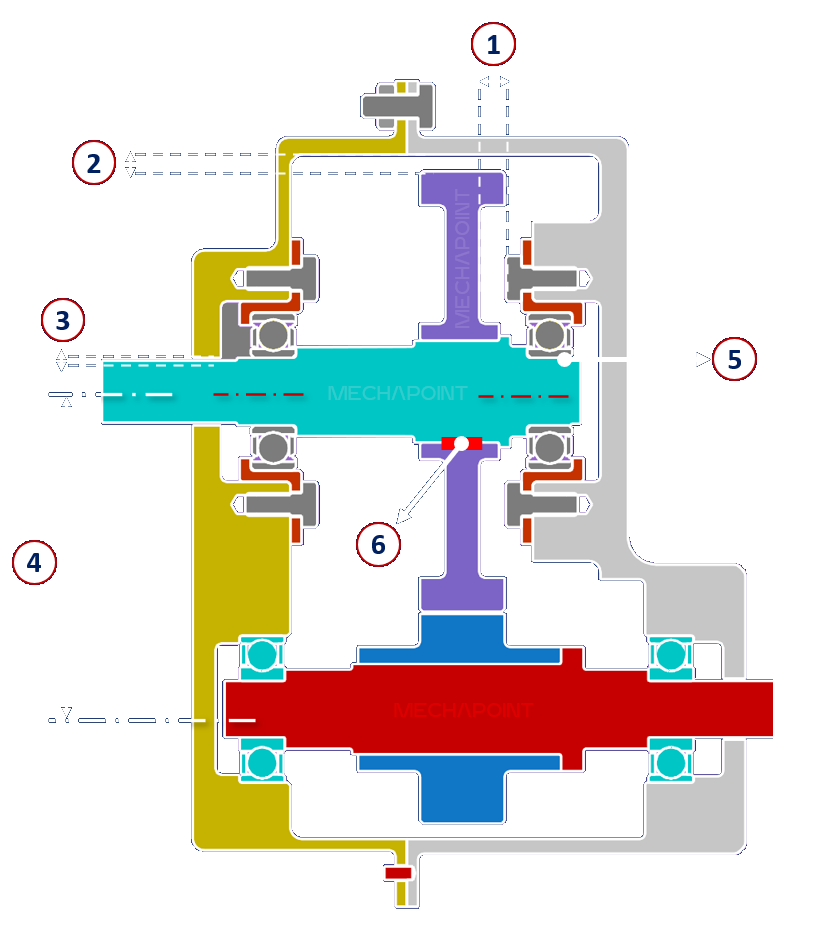
Tolerance Analysis and Optimization is the engineering discipline that transforms uncertainty in mechanical design into predictable, cost-efficient production outcomes. Arbitrarily assigned tolerances either make assembly impossible or unnecessarily inflate manufacturing costs — our approach eliminates both risks before production begins.
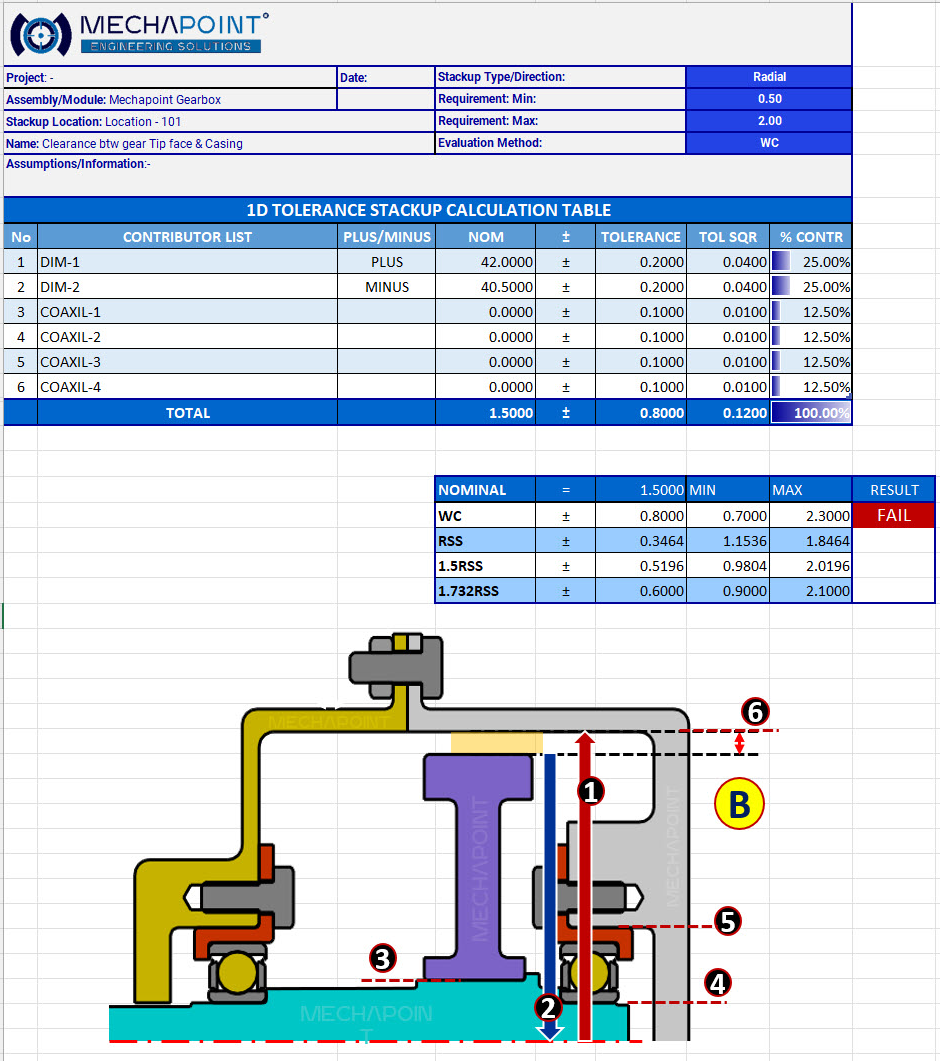
Virtual Validation: We mathematically prove whether the assembly will fit before parts are even produced.
Functional Balance: We ask “Why such a tight tolerance?” to establish that delicate balance between function and cost.
Result: Surprise-free assembly, predictable budget.

Why Tolerance Analysis Matters?
Every tolerance on a drawing is a cost decision. Tighter tolerances demand more precise — and more expensive — manufacturing processes. Too loose, and parts fail to assemble or underperform in the field. Tolerance Analysis and Optimization finds the exact boundary where functionality is guaranteed at the lowest possible cost. Without a structured tolerance analysis strategy, engineering teams rely on experience and intuition. This works until it doesn’t — and when it fails, the result is warranty returns, assembly line downtime, and expensive engineering change orders. A single stack-up study performed at the design stage can prevent months of production disruptions downstream. Our process covers the full tolerance chain: from individual part geometry and GD&T callouts to assembly interfaces and functional requirements.
Tolerance Stack-up Analysis
Audit of Existing Tolerance Analyses
Tolerance Optimization
